
- Home
-
Blog
OEM Cordless Tools Manufacturer in China
OEM Cordless Tools Manufacturer in China: What Global Buyers Should Know Before Choosing a Supplier
The cordless power tool market has changed quickly over the past few years. Contractors want more freedom on the jobsite, distributors want products that are easy to sell, and consumers are paying closer attention to battery performance, tool design, and overall value.
For international buyers, this has created a growing demand for reliable OEM cordless tools manufacturers in China.
China remains an important sourcing market for power tools because manufacturers can provide a wide range of products, flexible production options, and competitive pricing. But finding a factory that can actually support your business is not as simple as comparing quotations.
For importers and distributors, the real question is not only “How much does the tool cost?” It is also “Can this supplier consistently produce the product I need?”
Why More Brands Are Looking for OEM Cordless Tools
Many power tool companies do not manufacture every product themselves.
Instead, they work with an OEM manufacturer to develop products under their own brand. This allows them to focus more on sales, distribution, marketing, and customer relationships while the manufacturing partner handles production.
For a new brand, OEM production can also reduce the investment required to enter the cordless tool market.
A buyer may start with several popular products, such as:
Cordless drills
Impact drivers
Impact wrenches
Cordless angle grinders
Circular saws
Reciprocating saws
Screwdrivers
Cordless garden tools
Multi-tool kits
Batteries and chargers
The advantage is flexibility. A distributor can select products according to its target market instead of building an entire manufacturing operation from the beginning.
However, OEM is more than putting a logo on a tool.
A serious OEM project may involve product selection, specifications, housing colors, labels, packaging, battery configuration, accessories, manuals, quality control, and shipping requirements.
That is why choosing the right manufacturing partner matters.
What Should You Look for in a China Cordless Power Tools Manufacturer?
Price is usually one of the first things buyers compare. It should not be the only one.
A lower quotation may look attractive at the beginning, but problems with battery performance, inconsistent components, packaging, delivery schedules, or after-sales support can quickly increase the real cost of a project.
Before placing an order, buyers should look at several areas.
1. Product Range
A supplier with a broader cordless tool range can make future purchasing easier.
For example, a distributor may initially purchase cordless drills but later want to add impact wrenches, grinders, saws, or garden tools to the same product line.
Working with one experienced manufacturer can simplify communication and product management.
It also makes it easier to develop a consistent brand image across different products.
2. OEM and Customization Capability
Not every factory offering “OEM” provides the same level of customization.
For some suppliers, OEM simply means printing a logo on an existing product.
For others, customization can include product appearance, colors, packaging, accessories, labels, manuals, and technical specifications.
For established brands, the second option is often more useful.
A professional OEM supplier should be able to discuss your requirements before production rather than simply sending a standard price list.
3. Battery and Charging Solutions
Battery performance is one of the most important parts of a cordless tool.
The tool itself may work well, but poor battery performance can create complaints from end users.
Buyers should therefore ask about battery capacity, cell configuration, protection systems, charger specifications, compatibility, and testing procedures.
It is also important to consider the requirements of the destination market.
Different countries may have different requirements for electrical products, batteries, chargers, labeling, and transportation.
4. Quality Control
Quality control should not begin when the finished goods are already packed.
A better production process checks important components and manufacturing stages along the way.
For cordless tools, quality inspection may involve areas such as motor performance, switch operation, battery charging, temperature, torque, noise, housing assembly, and overall tool operation.
For B2B buyers, consistency is particularly important.
One good sample does not necessarily mean that every production batch will be the same. The manufacturer needs a stable process behind the sample.
OEM Does Not Mean You Have to Start With a Large Order
One common concern among new buyers is the minimum order quantity.
Large orders may be suitable for established distributors, but they can create unnecessary pressure for a new brand that is still testing the market.
A more practical approach is often to start with a limited product range.
For example, instead of launching twenty cordless tools at once, a distributor could select three to five products that have clear demand in its market.
The first order can provide useful information about:
Customer response
Product performance
Packaging
Price positioning
Warranty claims
Repeat purchase potential
Once the products prove themselves, the buyer can expand the range.
This approach is not only about reducing inventory risk. It also gives both the buyer and manufacturer an opportunity to understand how they work together.
Why Chinese Manufacturers Remain Competitive
China has developed a large manufacturing ecosystem around power tools and related components.
Manufacturers can source motors, batteries, chargers, electronic components, housings, packaging materials, and other parts through established industrial supply chains.
This can provide advantages in production efficiency and product development.
For international buyers, another benefit is the variety of available manufacturing models.
Some factories focus heavily on high-volume standard products. Others are more flexible with private-label projects and smaller customized orders.
The right choice depends on your business.
A large distributor with stable annual demand may prioritize production capacity and cost efficiency.
A growing brand may place more value on communication, customization, product development, and flexible order quantities.
There is no single supplier model that works for every buyer.
From Sample to Mass Production
A successful OEM project usually develops in stages.
The process may begin with product selection or a technical discussion. The buyer then reviews samples and confirms specifications.
After the product is approved, the manufacturer prepares the packaging, branding, labels, and production details.
Before mass production, both sides should have a clear understanding of the final requirements.
This is where communication becomes important.
A good supplier should not leave important details to assumptions.
The more clearly the product requirements are confirmed before production, the fewer surprises are likely to appear later.
For overseas buyers, this can be especially important because returning or modifying a large shipment is much more complicated than correcting a sample.
Private Label Cordless Tools for Distributors and Brands
Private-label tools can be an effective way for distributors to build a stronger market position.
Instead of competing only on price with identical products, a distributor can develop its own product identity.
Packaging, colors, product combinations, accessories, and marketing materials can all contribute to this identity.
For example, a distributor serving professional contractors may prefer a different product range and packaging style from a retailer targeting DIY consumers.
The underlying manufacturing technology may be similar, but the commercial strategy is different.
This is where an experienced OEM manufacturer can add value beyond production.
The manufacturer should understand that the buyer is not simply purchasing tools. The buyer is building a product line.
Questions to Ask Before Choosing an OEM Supplier
Before working with a cordless tool manufacturer in China, international buyers should consider asking:
1.Can you provide product samples before a bulk order?
2.What OEM customization options are available?
3.What is the minimum order quantity for each product?
4.Can you customize packaging and user manuals?
5.What battery configurations are available?
6.How is production quality inspected?
7.What is the typical production lead time?
8.Can you support repeat orders with consistent specifications?
9.What documents and certifications can be provided for the target market?
10.How do you handle quality issues after delivery?
The answers will tell you much more than a simple quotation.
Building a Long-Term Manufacturing Relationship
For B2B buyers, the best supplier is rarely the one offering the lowest initial price.
A reliable manufacturing relationship develops over multiple orders.
The manufacturer learns the buyer’s product requirements, packaging preferences, quality expectations, and market needs.
The buyer, in turn, becomes more familiar with the manufacturer’s capabilities and production process.
Over time, communication becomes faster and product development becomes easier.
This can be especially valuable when a brand begins adding new cordless tools to its portfolio.
Instead of starting from zero with every new product, the buyer can build on an existing manufacturing relationship.
Choosing the Right OEM Cordless Tools Partner
The global cordless tool market offers significant opportunities for brands, distributors, and importers.
But sourcing success depends on more than finding a factory with a competitive price.
A capable OEM cordless tools manufacturer in China should be able to provide a combination of product selection, customization, production capability, quality control, communication, and reliable delivery.
For buyers, the best approach is to define your requirements first, compare suppliers carefully, request samples, and evaluate the complete service before making a large commitment.
At Voranhub, our goal is to make the sourcing process more straightforward for international B2B buyers looking for cordless power tool solutions from China.
Whether you are developing a new private-label product line or expanding an existing range, choosing the right manufacturing partner can make a significant difference to the final product and your long-term business.
Looking for an OEM cordless tools manufacturer in China?
Contact Voranhub to discuss your product requirements, OEM options, and the next step for your project.
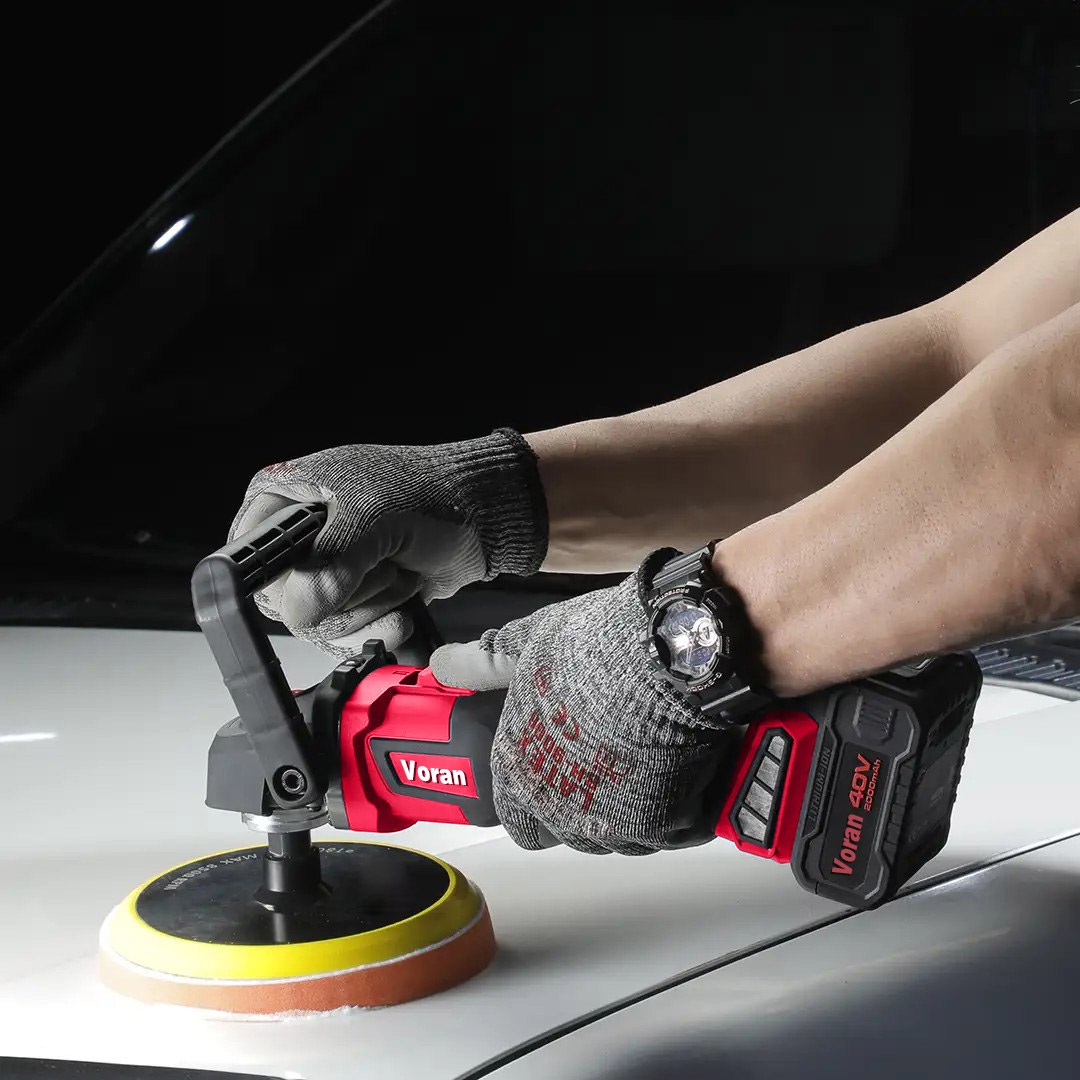
Which Cordless Rotary Polisher Is Best
Discover how to choose the best cordless rotary polisher for auto detailing, paint correction, and professional use with Voran’ s advanced lithium battery technology.
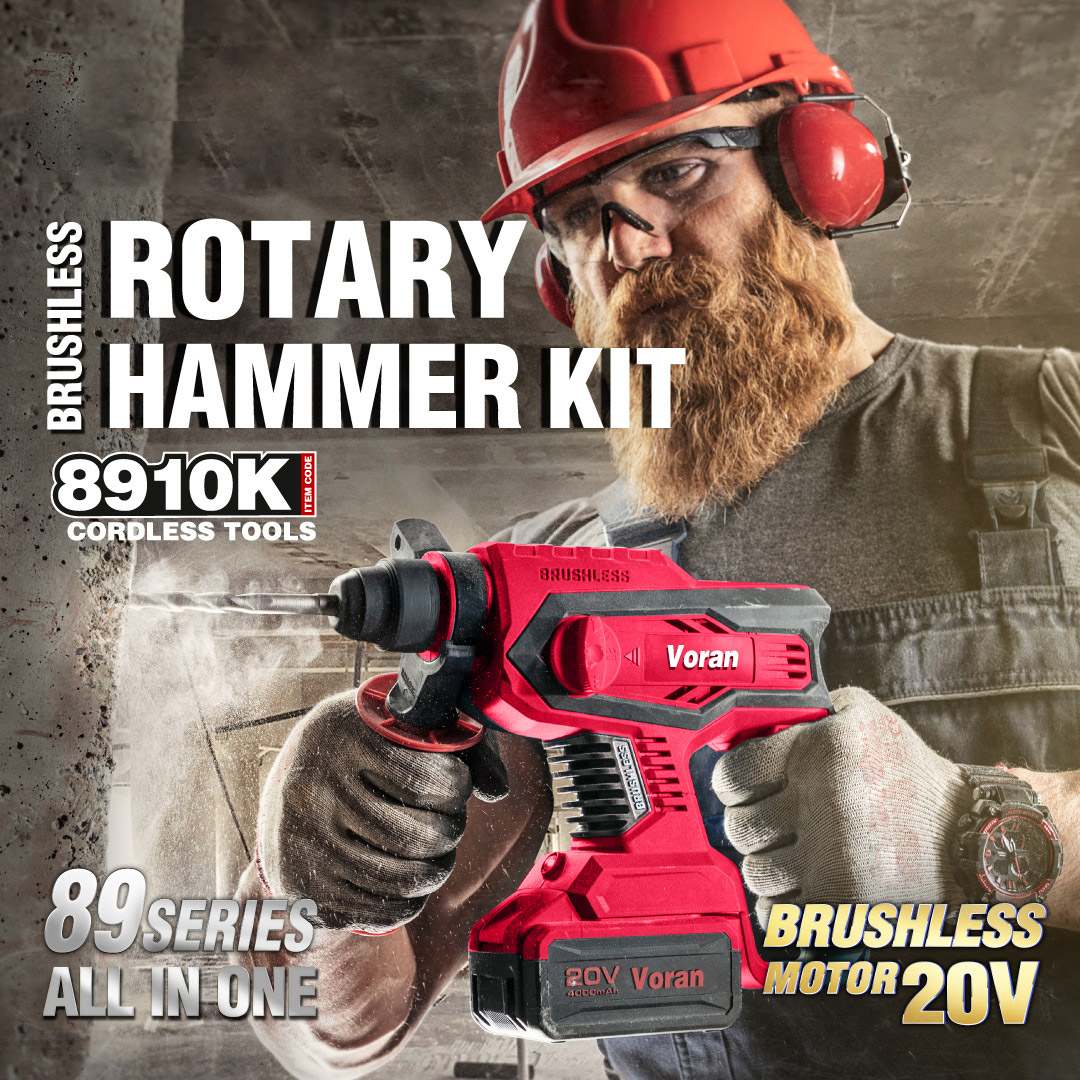
Cordless Rotary Hammer Guide: Boost Jobsite Efficiency
Discover how a cordless rotary hammer improves jobsite efficiency with advanced brushless motors, lithium-ion power, and professional drilling performance.

Cordless Tools Factory Direct Supply
Cordless Tools Factory Direct Supply: What B2B Buyers Should Know Before Choosing a Manufacturer
Cordless Tools Factory Direct Supply Is More Than a Lower Factory Price
For many importers, distributors and private-label tool brands, buying directly from a cordless tools factory sounds straightforward.
Find a manufacturer.
Ask for a price.
Request a sample.
Place an order.
In practice, it rarely works that simply.
The cordless tool market has become much more competitive. A supplier may offer an attractive quotation, but the real sourcing cost can change once you consider battery configuration, packaging, certification, spare parts, quality consistency, shipping requirements and after-sales support.
For a business building its own tool range, the factory behind the product can have a direct effect on your margin and customer experience.
That is why cordless tools factory direct supply should not be viewed only as a way to get a cheaper unit price. It is better understood as a direct connection between your business and the manufacturer responsible for product development, production and customization.
For distributors and brands looking for a long-term supplier, this difference matters.
What Does Factory Direct Supply Actually Mean?
In a typical trading model, several companies can sit between the buyer and the actual manufacturer.
A trading company may collect your requirements, purchase products from different factories and arrange export. This can be convenient, especially for buyers with small or mixed orders.
But if your goal is to develop a recognizable cordless tool range, working directly with a manufacturer can provide more room for communication and customization.
With a factory-direct model, buyers can discuss areas such as:
Product configuration
Battery capacity
Motor selection
Housing color
Brand logo
Packaging
User manuals
Charger specifications
Accessories
Compliance labels
Spare parts
Product testing
Production requirements
This becomes particularly important when moving from a standard product to an OEM or private-label cordless tool.
At VORAN, for example, OEM projects can cover product branding, Pantone color matching, labels, packaging, manuals and selected product configurations. For qualified volume projects, engineering modifications can also be discussed.
The important point for a B2B buyer is simple:
You are not only purchasing a tool. You are selecting the manufacturing system behind that tool.
Why More Buyers Are Looking for Direct Cordless Tool Manufacturers
There are several practical reasons why distributors and brands prefer to communicate directly with factories.
1. Better control over product configuration
A distributor may need a 20V drill for one market and a higher-output platform for another.
The same basic product can require different:
Battery capacities
Chargers
Plugs
Accessories
Labels
Packaging
Manuals
Performance configurations
Direct communication makes these requirements easier to discuss before production.
2. Easier private-label development
If you are selling tools under your own brand, putting a logo on an existing product is only the first step.
A complete private-label project may include the product appearance, color, packaging, battery label, model number, instruction manual and compliance information.
The closer your communication is to the factory’s engineering and production teams, the easier it becomes to coordinate these details.
3. Better visibility into production
For repeat orders, consistency becomes just as important as the first sample.
A professional factory should have defined procedures covering incoming materials, assembly, functional testing and final inspection.
VORAN describes its quality-control process as covering material inspection, assembly, functional testing and final inspection as part of its OEM manufacturing service.
4. More efficient communication
This is often overlooked.
When a distributor receives customer feedback about a drill, impact wrench or garden tool, someone needs to translate that feedback into a product or production requirement.
If communication goes through multiple layers, small technical details can easily get lost.
Direct communication with the manufacturer reduces that distance.
What Products Can You Source From a Cordless Tools Factory?
A capable cordless tool manufacturer should ideally support more than one isolated product.
This is particularly useful for distributors who want to build a complete product category rather than purchase one SKU.
VORAN’s current product range covers cordless tools and battery-powered equipment for drilling, fastening, cutting, grinding, polishing, spraying, cleaning and outdoor maintenance.
Some of the main categories include:
Cordless Drills
Cordless drills remain one of the core products in professional and DIY tool ranges.
For example, the VORAN 8905K 20V Brushless Impact Drill Kit provides 55N·m maximum torque, a 13mm metal chuck, two-speed control and three working functions: drilling, screwing and hammer drilling. The kit can also be configured for OEM projects.
20V Brushless Impact Drill Kit 13mm-55N.m
Useful for: construction distributors, hardware retailers, DIY brands and professional tool ranges.
Cordless Impact Wrenches
For automotive repair, construction and industrial applications, torque is usually one of the first specifications buyers compare.
VORAN’s 40V cordless impact wrench range includes models such as the 8927-40V, rated at up to 1350 N·m with a 3/4-inch drive, three-speed control and auto-stop reverse function.
40V Brushless Cordless Impact Wrench Kit 1350 N.m
For distributors, the advantage of having multiple torque levels within the same supplier’s range is that you can build a product portfolio around different customer segments instead of sourcing every model from a different factory.
Cordless Angle Grinders
Angle grinders are another important category for professional tool distributors.
VORAN currently offers both 20V and 40V brushless angle grinder platforms, including the 8657 20V model and 8901-40V model.
High-Performance 40V Cordless Brushless Mini Angle Grinder (125mm)
20v Brushless Angle Grinder Kit(Model : 8657)
For B2B purchasing, voltage alone should not determine the choice. Buyers should also compare motor efficiency, battery discharge capability, thermal management, speed control, ergonomics and the intended application.
Cordless Rotary Hammers
Construction tool distributors often need cordless equipment that can handle demanding drilling work without depending on a mains power source.
VORAN offers 20V and 40V cordless rotary hammer solutions, including SDS-Plus models designed for concrete drilling and construction applications.
A distributor building a professional construction range can therefore combine drills, impact tools, grinders and rotary hammers through one manufacturing partner.
Cordless Polishers
For automotive detailing and professional finishing, cordless polishers offer an obvious advantage: the operator does not need to manage a power cable around the vehicle or work area.
The VORAN 8652 20V brushless polisher, for example, uses variable speed control from 1300 to 3500 RPM and includes an ergonomic D-shaped auxiliary handle.
The 8926-40V provides a higher-power alternative for more demanding polishing applications, with variable speed control and a dual-battery configuration.
Cordless Garden Tools
The opportunity is not limited to workshop and construction tools.
Cordless garden equipment has become an important part of many outdoor power equipment portfolios.
VORAN’s range includes:
Cordless chainsaws
Grass trimmers
Brush cutters
Leaf blowers
Lawn equipment
Other battery-powered outdoor tools
For example, the VORAN 8658 is a 20V brushless cordless chainsaw designed for gardening and woodwork applications.
This creates another opportunity for distributors: instead of treating power tools and garden equipment as completely separate categories, a supplier with a broader battery platform can help create a more complete cordless product ecosystem.
The Battery Platform Is One of the Most Important Things to Ask About
When evaluating cordless tools factory direct supply, don’t focus only on the individual machine.
Look at the battery system behind it.
A customer who buys a cordless drill may later want an impact driver, grinder or blower using the same battery.
If every tool requires a different battery, the product line becomes more complicated for both the distributor and the end user.
A common battery platform can provide several advantages:
For distributors
Easier product positioning
Fewer battery SKUs
Simpler inventory management
More opportunities for cross-selling
Easier product bundles
For end users
One battery can serve multiple tools
Lower additional-tool cost
Less equipment to carry
Easier battery management
This is why buyers should ask a factory about its battery architecture before finalizing a cordless tool program.
At VORAN, the product portfolio includes multiple battery capacities and charging configurations, while its product pages also describe platform compatibility across different tool categories.
OEM Cordless Tools: What Can Actually Be Customized?
One common misunderstanding is that OEM simply means adding a logo.
For professional B2B projects, customization can go considerably further.
Depending on the product and order requirements, a manufacturer may support:
Product Branding
Logo
Product label
Model number
Brand color
Housing color
Battery & Charger
Battery capacity
Battery label
Charger configuration
Plug type
Charging solution
Packaging
Retail color box
Carrying case
BMC case
Master carton
Shipping marks
Documentation
User manual
Warning labels
Compliance information
Multilingual documentation
Product Configuration
Accessories
Performance settings
Housing details
Selected electronic or structural modifications for qualified projects
VORAN specifically lists these types of customization options as part of its OEM manufacturing service.
How to Compare Cordless Tool Factories Before Placing an Order
A factory’s website can tell you a lot, but it shouldn’t be the only source of information.
Before placing a large order, ask the supplier for concrete answers.
1. What is your actual manufacturing capability?
Ask whether the company handles:
Assembly
Battery-pack production
PCBA
Testing
Quality inspection
Packaging
in-house or through outside suppliers.
VORAN states that its 2,000㎡ facility integrates PCBA processing, battery-pack assembly, tool assembly, quality inspection and final load testing.
2. Can you support my target market?
A tool designed for one market may not automatically be suitable for another.
Discuss:
Voltage requirements
Charger plug
Certifications
Packaging language
Manual language
Battery regulations
Label requirements
Shipping restrictions
before sampling.
3. What happens after the shipment arrives?
This question is often forgotten during the initial quotation.
Ask about:
Spare parts
Warranty process
Technical support
Replacement components
Failure analysis
Response time
A lower purchase price doesn’t help much if warranty issues become expensive to handle.
VORAN provides warranty and technical support for eligible products, with specific terms depending on product and market.
Factory Price vs. Total Cost
Suppose Factory A offers a cordless drill for $42 and Factory B quotes $45.
It may look like Factory A is the obvious choice.
But what if:
Factory A uses a different battery configuration?
Its packaging requires additional development?
Spare parts are difficult to obtain?
The sample differs from mass production?
The factory has inconsistent lead times?
Communication takes several days?
You need another supplier for the rest of your product range?
The original $3 difference may become irrelevant.
For B2B buyers, the better question is:
What will this supplier cost my business over the entire product lifecycle?
That includes purchasing, testing, logistics, inventory, warranty, spare parts, customer complaints and future product development.
This is one reason factory-direct sourcing should be evaluated as a long-term supply relationship rather than a one-time price comparison.
Why Brushless Technology Matters in B2B Cordless Tools
Brushless motors are now common in professional cordless tools, but buyers should still understand what they are paying for.
Compared with traditional brushed motors, brushless systems eliminate physical carbon brushes and use electronic control to manage motor operation.
For professional applications, manufacturers typically focus on:
Efficiency
Heat management
Motor life
Power density
Speed control
Maintenance requirements
VORAN’s current product portfolio emphasizes brushless motor systems across many of its cordless tool categories, including drills, grinders, rotary hammers, impact wrenches and polishers.
However, “brushless” should not be treated as a quality certificate by itself.
Battery cells, electronic control, gearbox design, thermal protection and assembly quality can all influence the actual performance of the finished tool.
A Better Way to Start a Cordless Tools OEM Project
For a new B2B project, jumping directly into a large order is usually unnecessary.
A more practical process is:
Step 1 — Define the market
Tell the manufacturer:
Target country
Customer type
Application
Expected price range
Target annual volume
Step 2 — Select the initial products
Choose a small number of products that make sense together.
For example:
20V Platform
Cordless drill
Impact driver
Angle grinder
Rotary hammer
Blower
This creates a more coherent product family than launching five unrelated products.
Step 3 — Confirm the configuration
Discuss battery capacity, charger, accessories, packaging and branding.
Step 4 — Sample and test
Do not judge a tool only by its appearance.
Test:
Runtime
Torque
Heat
Ergonomics
Charging
Noise
Vibration
Performance under load
Step 5 — Confirm production requirements
Once the sample is approved, document the exact configuration before mass production.
Step 6 — Build the product line gradually
Start with the products that have the strongest demand in your market.
Then expand the range once the battery platform, packaging and supply process are established.
Why VORAN Can Be a Factory-Direct Partner for Cordless Tool Brands
For companies searching for cordless tools factory direct supply, VORAN positions itself as a manufacturer rather than simply a catalog supplier.
The company is based in Zhejiang, China and focuses on cordless power tools, garden equipment and intelligent mowing solutions. Its stated capabilities cover product engineering, component optimization, assembly, testing, quality control and OEM manufacturing.
The product range currently includes cordless drills, impact tools, rotary hammers, grinders, polishers, sanders, sprayers, cleaning tools and outdoor power equipment.
For private-label and OEM customers, the cooperation process can follow a relatively straightforward path:
Requirement → Proposal → Sample → Testing → Production → Delivery
That approach allows a distributor or brand to start with a specific product requirement and gradually develop a broader cordless tool portfolio.
Final Thoughts: Don’t Choose a Cordless Tool Factory by Price Alone
The phrase “factory direct” sounds attractive because buyers naturally want to remove unnecessary costs from the supply chain.
But the cheapest factory is not necessarily the most competitive supplier.
For a serious B2B buyer, the better choice is a manufacturer that can combine:
Product performance + stable production + battery technology + OEM flexibility + quality control + technical support.
If you are building a private-label cordless tool brand, expanding a distributor portfolio or looking for a new factory-direct power tool supplier, the first step should be to define your product requirements and target market.
From there, a manufacturer can recommend the appropriate tool platform, battery configuration and customization options.
Looking for a Cordless Tools Factory Direct Supply Partner?
Talk to VORAN about your next cordless tool project.
Whether you need a single OEM product, a private-label tool range or a complete battery-powered equipment portfolio, VORAN can discuss product selection, customization, sampling and production requirements with your team.
Explore the VORAN cordless tool range:
VORAN Products – Cordless Power Tools & Garden Equipment
Learn more about OEM manufacturing:
VORAN OEM & Manufacturing Services
Contact VORAN for an OEM proposal:
VORAN Official Website
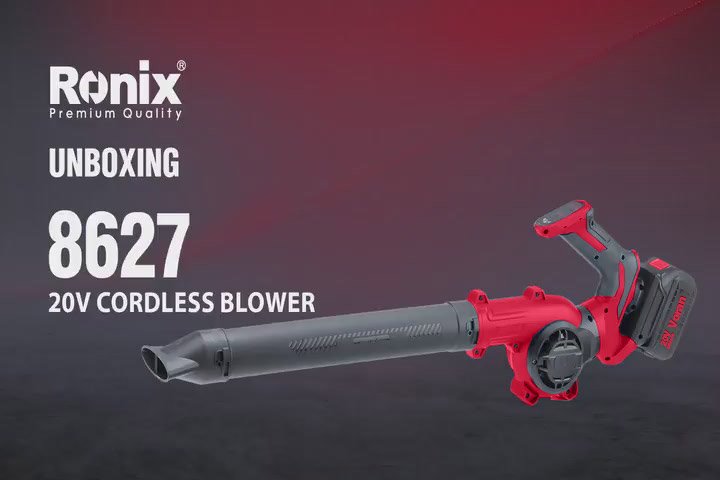
How to Choose the Perfect Cordless Blower for Every Yard
Learn how to choose the best cordless blower by comparing CFM, MPH, brushless motors, battery performance, and professional applications from Voran.
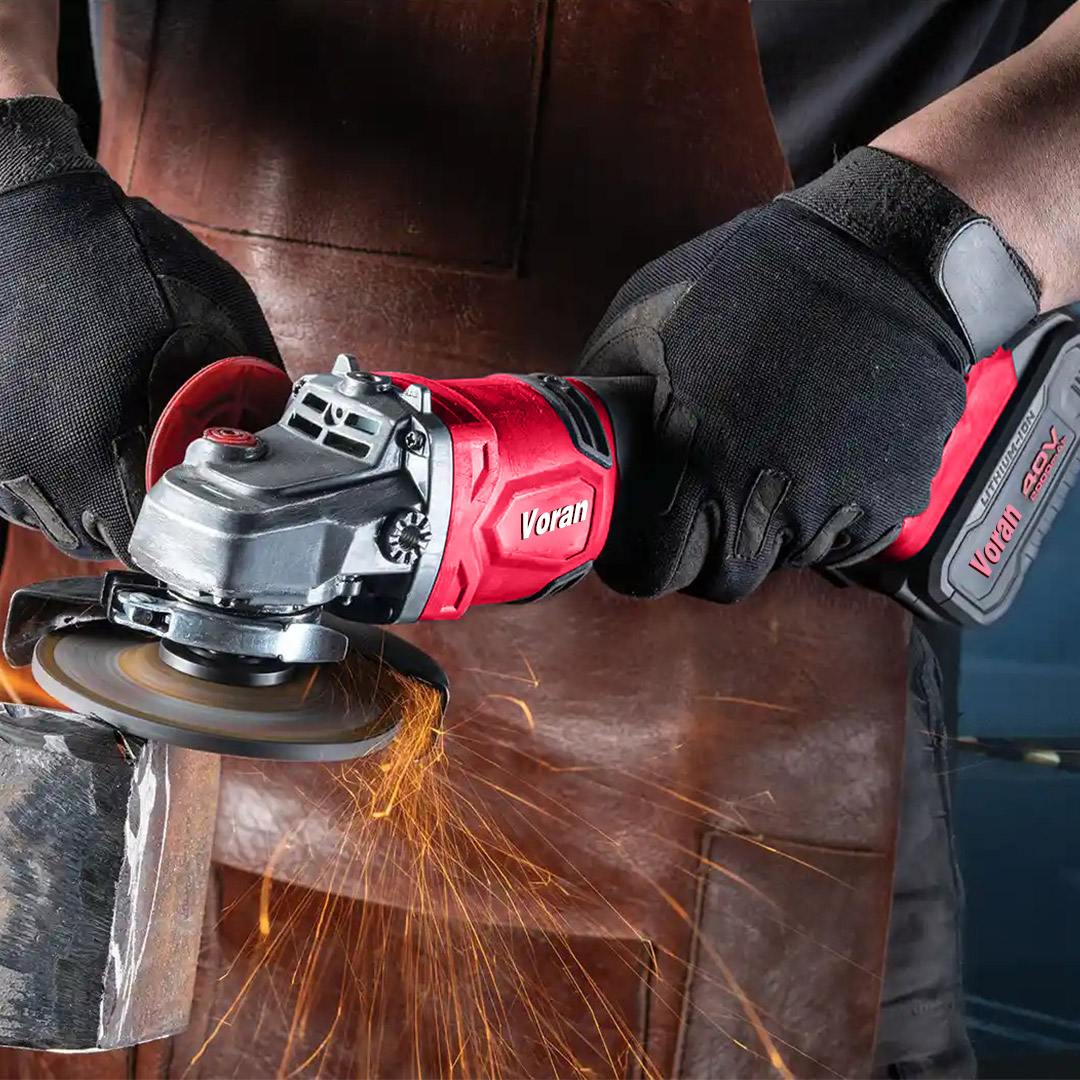
Cordless Angle Grinder: How to Choose the Best One
Learn how to choose the best cordless angle grinder for metal, masonry, and industrial work. Compare features, battery systems, and expert buying tips.
Need Product Advice or an OEM Proposal?
BUILD YOUR PROFESSIONAL CORDLESS TOOL LINE WITH VORAN.
Please fill out the form below and we will get back to you as soon as possible.